Why Acne Returns Even After Treatment – A Dermatologist’s Perspective
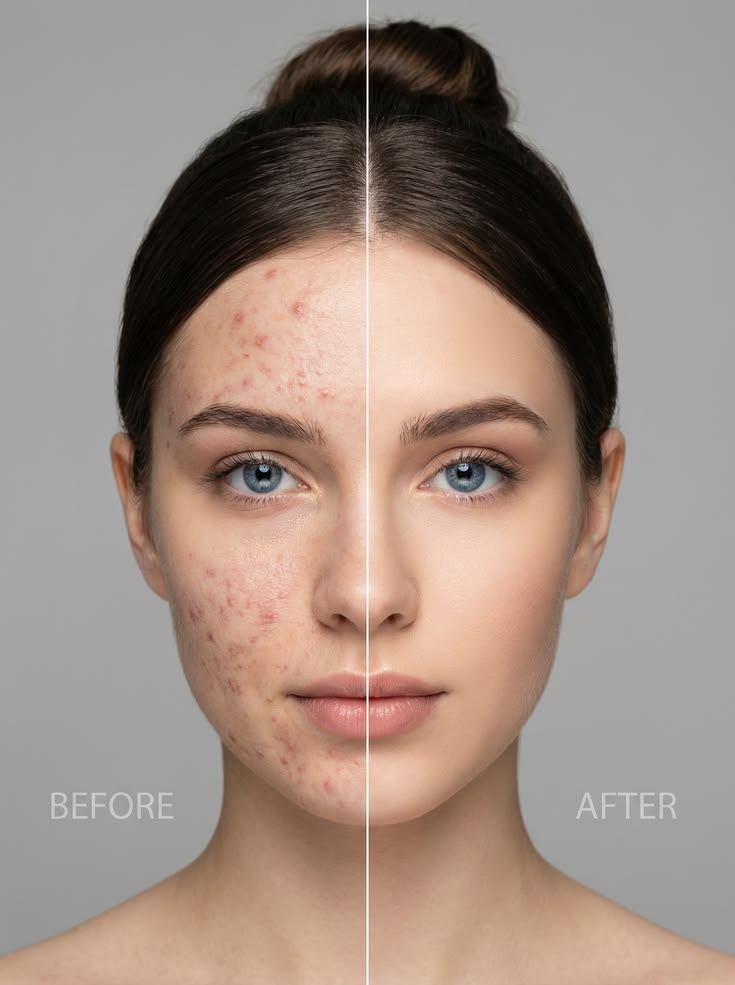
For many people, clear skin feels temporary. You follow a routine, invest in treatments, and finally see improvement—only to notice new breakouts weeks later. The cycle can be exhausting and confusing.
At VLCC Salon & Cosmetology Clinic, Wakad, patients often ask the same question:
If I’ve treated my acne, why does it keep coming back?
The answer lies in understanding acne itself. Acne is not just a surface problem—it is influenced by internal factors such as hormones, genetics, lifestyle, and environmental exposure. Once you understand the cause, managing acne becomes much more effective.
Acne Is Not a One-Time Skin Issue
Unlike an infection that clears completely, acne often behaves like a long-term inflammatory condition. Even when pimples disappear, oil glands beneath the skin may continue to be overactive. If this internal activity is not controlled, acne is likely to return.
Hormones Play a Major Role
Hormonal changes are one of the most common reasons for recurring acne, particularly in adults. Shifts in androgen levels can increase oil production, leading to blocked pores and repeated breakouts.
This explains why acne often worsens during menstrual cycles, pregnancy, or conditions like PCOS. In such cases, treating acne requires more than topical products—it requires a deeper, balanced approach.
Acne Begins Before You Can See It
Many people don’t realise that a visible pimple started forming weeks earlier. Acne begins deep inside the pore as tiny blockages of oil and dead skin cells.
Even if current acne clears, new blockages may already be developing underneath. Without proper maintenance care, these eventually rise to the surface as new breakouts.
Everyday Habits That Trigger Acne Relapse
Recurring acne is often linked to daily routines:
- Inappropriate skincare products – Heavy creams or oily natural products can clog pores
- Dietary patterns – High sugar, processed foods, and excess dairy may increase oil secretion
- Stress – Chronic stress raises cortisol levels, which stimulates oil glands
In fast-paced urban lifestyles like Pune, stress-related acne is increasingly common.
Why Clinical Acne Treatments Work Better
If acne continues to return, relying only on home care may not be enough. Professional treatments address acne at deeper levels of the skin.
- Laser acne therapy helps reduce oil gland activity and acne-causing bacteria
- Medical chemical peels unclog pores and prevent new acne formation
These treatments focus on long-term control rather than short-term clearing.
Hair Fall After COVID or Stress? Your Scalp Has an Explanation
If you’re noticing sudden hair thinning—on your pillow, in your comb, or during hair washes—it can feel alarming. But if you’ve recently recovered from COVID, a viral illness, or emotional stress, your hair loss is likely connected.
At VLCC Salon & Cosmetology Clinic, Wakad, we’ve seen a noticeable increase in patients experiencing sudden hair shedding after illness or stress.
Understanding Telogen Effluvium
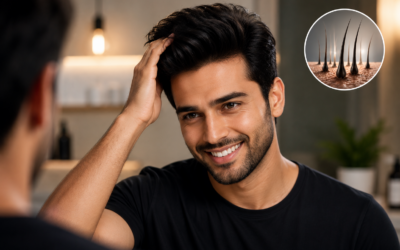
Post-illness or stress-related hair fall is commonly caused by Telogen Effluvium, a temporary hair cycle disturbance.
When the body undergoes physical or emotional shock, it redirects energy toward essential organs. Hair growth pauses, and many hair strands shift into a resting phase together.
Several months later, these hairs shed simultaneously—long after the stressful event has passed.
Why COVID Can Trigger Hair Loss
COVID affects the entire body, not just the respiratory system. Hair fall after COVID is commonly linked to:
- High fever, which stresses hair follicles
- Systemic inflammation, affecting scalp blood circulation
- Loss of essential nutrients such as iron, Vitamin D, and B12
The result is noticeable shedding, which is usually reversible with the right care.
Professional Hair Recovery Solutions
Although this type of hair loss is often temporary, professional support ensures healthier and denser regrowth.
- PRP therapy stimulates dormant hair follicles using natural growth factors
- Mesotherapy delivers essential nutrients directly to the scalp
- Clinical scalp detox treatments remove pollution and hard-water buildup common in urban areas
Early treatment improves both hair quality and confidence.
Salon Facial vs Medical Facial – Which One Is Safer for Your Skin?
Facials are popular for instant glow, but not all facials are equally safe—especially for sensitive or acne-prone skin.
Salon Facials: What to Know
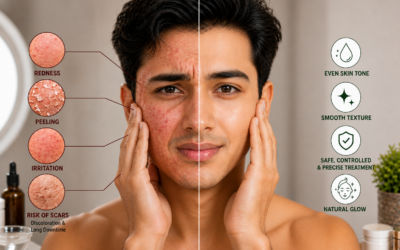
Traditional salon facials are designed for relaxation. They often involve scrubs, massage, steam, and fragranced creams. While they may give temporary brightness, aggressive exfoliation or unsuitable products can irritate the skin and worsen acne.
What Makes a Medical Facial Different?
Medical facials are customised treatments performed under professional supervision. They use dermatology-grade ingredients and controlled techniques.
These facials focus on skin health rather than just appearance and often incorporate technologies like hydration therapy, LED light, or ultrasound for deeper results—without damaging the skin barrier.
Choosing the Right Facial for Your Skin
A salon facial may be suitable if your skin is normal and you’re looking for relaxation.
A medical facial is the better choice if:
- Your skin is acne-prone or sensitive
- You experience frequent breakouts or pigmentation
- You want long-lasting improvement rather than short-term glow
Final Note
Your skin and scalp constantly reflect what’s happening inside your body. Acne, hair fall, and sensitivity are not random—they’re signals that your body needs the right support.
Instead of temporary fixes, choosing personalised, science-based treatments helps restore skin and hair health from the root.
Visit VLCC Salon & Cosmetology Clinic, Wakad – Pune for expert care in Skin, Hair, Acne & Laser treatments—designed for visible, lasting results.
Recent Posts
-
 Why Investing in Yourself Is the One Thing Beauty Can Never Take Away
 -
 The Cosmetic Gamble: Why “Home Peels” Are a High-Stakes Risk to Your Skin’s Integrity
 -
 Is Laser Hair Reduction Really Permanent, or Is the Promise Bigger Than the Reality?
 -
 One Week Before the Wedding, Brides Make a Beauty Mistake They Often Regret Later.
 -
 Your Hair May Look Thin Even If You’re Using the “Best” Products. Here’s the Hidden Reason.