Monsoon Skin & Hair Care Guide 2026: Simple Ways to Keep Your Skin Clear and Hair Healthy This Rainy Season
The monsoon season is often everyone’s favorite time of the year. The rain brings cooler temperatures, fresh air, and relief from the intense summer heat. While the weather feels refreshing, your skin and hair may experience a completely different story.
Many people notice that their skin suddenly becomes oilier, breakouts appear more frequently, and their hair feels frizzy or starts shedding more than usual. Some even struggle with itchy skin, dandruff, or fungal infections that seem to worsen during the rainy season.
If you’ve been facing these issues, you’re not alone. The good news is that understanding how monsoon affects your skin and hair can help you prevent many common seasonal problems. With a few mindful habits and the right care routine, you can enjoy the beauty of the rainy season while keeping your skin glowing and your hair healthy.
Why Does Monsoon Affect Skin and Hair?
Unlike summer, where heat is the biggest concern, monsoon brings excessive moisture into the environment. The air becomes humid, causing sweat and oil to remain on the skin for longer periods.
This combination of humidity, dirt, pollution, and moisture can disturb your skin’s natural balance. Similarly, the scalp may become oily, irritated, or prone to dandruff and infections.
The key to healthy skin and hair during monsoon is maintaining cleanliness without overdoing it and ensuring your body gets the nourishment it needs.
Taking Care of Your Skin During Monsoon
Keep Your Skin Clean but Gentle
One of the most common mistakes people make is washing their face repeatedly throughout the day. While it may seem like a good idea to remove excess oil, excessive cleansing can actually make the skin produce even more oil.
A gentle cleanser used twice daily is usually enough to remove dirt, sweat, and impurities without disturbing the skin’s natural protective barrier.
If your skin feels sticky during the day, simply rinse with water or use a mild cleansing product recommended for your skin type.
Don’t Skip Moisturizer
Many people believe moisturizers are only necessary during winter. However, your skin still needs hydration during monsoon.
When the skin lacks moisture, it may respond by producing additional oil, which can contribute to clogged pores and breakouts. A lightweight, non-greasy moisturizer can help maintain balance and keep the skin comfortable.
Sunscreen Is Still Important
Cloudy skies often give the impression that sunscreen isn’t necessary. In reality, ultraviolet rays can still reach your skin through cloud cover.
Applying sunscreen daily helps protect your skin from tanning, pigmentation, and premature aging, regardless of the weather.
Managing Acne During the Rainy Season
Breakouts are one of the most common skin concerns during monsoon. Increased humidity allows oil, sweat, and dirt to accumulate more easily on the skin.
Instead of trying multiple products at once, focus on a simple and consistent routine.
Helpful Habits for Acne-Prone Skin
- Wash your face regularly but gently.
- Avoid touching your face unnecessarily.
- Remove makeup before sleeping.
- Change pillow covers frequently.
- Stay hydrated throughout the day.
Healthy skin often results from consistent care rather than complicated routines.
Protecting Your Skin from Fungal Infections
Warm and damp environments create favorable conditions for fungal growth. Areas such as the feet, underarms, neck, and skin folds are especially vulnerable.
Simple precautions can significantly reduce the risk.
Tips to Stay Protected
- Wear clean and breathable clothing.
- Change out of wet clothes immediately.
- Dry your skin thoroughly after bathing.
- Avoid sharing towels and personal hygiene items.
Early attention to minor irritation can prevent larger problems later.
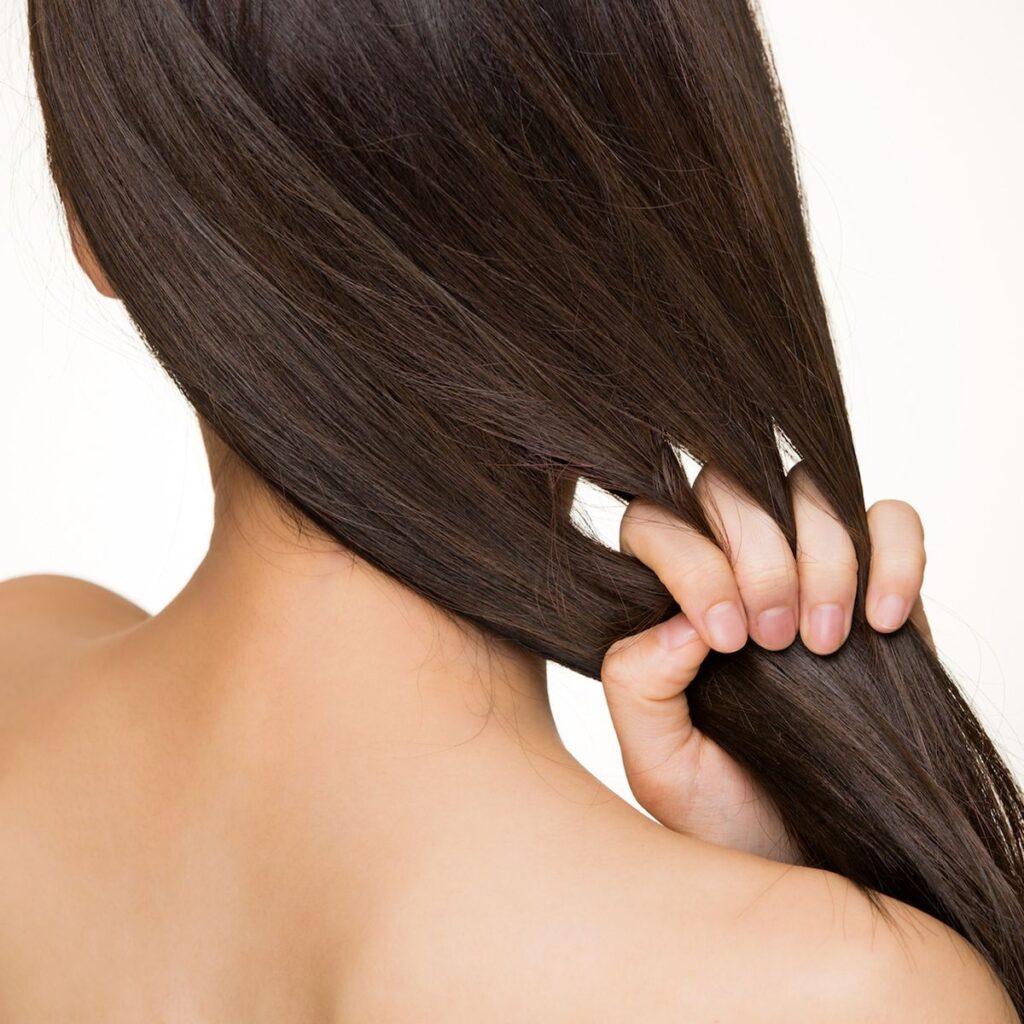
Monsoon Hair Care: What You Need to Know
Just as your skin reacts to seasonal changes, your hair and scalp also need extra attention during monsoon.
Humidity can make hair difficult to manage, while scalp issues may contribute to dandruff and increased hair shedding.
Keep Your Scalp Clean
A healthy scalp forms the foundation for healthy hair. Sweat, dirt, and pollution can accumulate more quickly during monsoon, making regular cleansing important.
Using a mild shampoo suited to your scalp type can help remove buildup and keep your scalp feeling fresh.
Avoid Keeping Hair Wet
One of the most overlooked hair care mistakes is leaving hair damp for long periods.
A wet scalp creates an environment where fungal growth and irritation can develop more easily. After washing your hair or getting caught in the rain, dry your hair thoroughly before tying it up.
Be Careful with Rainwater
Rain may feel refreshing, but rainwater often carries pollutants and environmental impurities.
If your hair gets soaked, rinse it with clean water when you return home and allow it to dry properly.
Understanding Hair Fall During Monsoon
Many people become concerned when they notice more hair strands on their comb or pillow during the rainy season.
While some seasonal shedding can be normal, excessive hair fall may be linked to scalp health, nutritional deficiencies, stress, or other underlying factors.
Ways to Support Healthy Hair Growth
- Eat enough protein-rich foods.
- Include fruits and vegetables in your diet.
- Stay hydrated.
- Avoid excessive heat styling.
- Follow a consistent hair care routine.
Healthy hair begins with healthy daily habits.
Foods That Support Skin and Hair Health
Your skincare and haircare routine should not end with products alone. Nutrition plays a major role in maintaining healthy skin and strong hair.
Try including:
- Seasonal fruits
- Green leafy vegetables
- Nuts and seeds
- Eggs
- Lentils
- Dairy products
- Protein-rich meals
These foods provide essential nutrients that help support your body’s natural repair and renewal processes.
When Should You Consult a Professional?
While many monsoon-related concerns improve with proper care, some symptoms require expert attention.
Consider seeking professional guidance if you experience:
- Persistent acne breakouts
- Recurring fungal infections
- Severe dandruff
- Excessive hair fall
- Ongoing scalp irritation
- Unexplained skin rashes
Professional assessment can help identify the root cause and provide targeted solutions.
Conclusion
Monsoon brings beautiful weather, but it also creates conditions that can challenge your skin and hair. Increased humidity, sweat, and environmental exposure can lead to concerns such as acne, oily skin, dandruff, hair fall, and fungal infections.
The good news is that you don’t need an elaborate beauty routine to stay healthy during the rainy season. Simple habits such as keeping your skin clean, maintaining scalp hygiene, staying hydrated, eating nutritious foods, and following a consistent routine can make a noticeable difference.
By giving your skin and hair the care they need, you can enjoy the monsoon season with confidence and comfort.
VLCC Beauty Clinic Wakad
If you’re facing seasonal skin or hair concerns and need expert guidance, the team at VLCC Beauty Clinic Wakad is here to help with personalized solutions tailored to your unique needs.
Address: Shop No. 1, Gyanbodh Heights, Kaspate Wasti, Wakad, Pimpri-Chinchwad, Maharashtra 411057
Phone: 093090 07299
Visit VLCC Beauty Clinic Wakad and take the first step toward healthier skin, stronger hair, and greater confidence this monsoon season. ✨🌿
Recent Posts
-
 Why Does Your Face Look Tired Even When You’re Getting Enough Sleep?
 -
 Why Investing in Yourself Is the One Thing Beauty Can Never Take Away
 -
 The Cosmetic Gamble: Why “Home Peels” Are a High-Stakes Risk to Your Skin’s Integrity
 -
 Is Laser Hair Reduction Really Permanent, or Is the Promise Bigger Than the Reality?
 -
 One Week Before the Wedding, Brides Make a Beauty Mistake They Often Regret Later.