Monsoon Beauty Myths You Should Stop Following Right Away
As the rainy season arrives, most of us change our wardrobes, eating habits, and daily routines. However, many people forget that their skin and hair also react differently during monsoon. Increased humidity, sudden weather changes, and exposure to rainwater can affect your beauty routine in ways you may not expect.
Unfortunately, monsoon beauty advice is often filled with misconceptions. Some tips have been passed down for years, while others spread quickly on social media without any scientific basis. Following these myths can sometimes do more harm than good.
Let’s uncover some of the most common monsoon beauty myths and understand what your skin and hair truly need during this season.
Myth 1: Sunscreen Isn’t Necessary During the Rainy Season
What Actually Happens
Many people assume sunscreen is only needed when the sun is shining brightly. However, ultraviolet (UV) rays can penetrate through clouds and continue to affect your skin even on overcast days.
Regular exposure to UV rays can contribute to tanning, uneven skin tone, dark spots, and early signs of aging.
Better Approach
Make sunscreen a part of your daily skincare routine throughout the year. A lightweight sunscreen with adequate SPF can help protect your skin regardless of the weather.
Myth 2: Moisturizer Makes Oily Skin Worse During Monsoon
What Actually Happens
When humidity levels rise, oily skin often feels even greasier. This causes many people to stop using moisturizers altogether.
The truth is that hydration and oil are not the same thing. Skin that lacks moisture may respond by producing even more oil, which can increase the chances of clogged pores and breakouts.
Better Approach
Use a lightweight moisturizer designed for your skin type. Proper hydration helps maintain healthy and balanced skin.
Myth 3: Washing Your Face Frequently Keeps Skin Clear
What Actually Happens
Many people wash their face repeatedly during monsoon to remove sweat and oil. While cleanliness is important, excessive cleansing can strip away the skin’s natural protective layer.
This can leave the skin irritated and may trigger increased oil production.
Better Approach
Wash your face twice daily with a gentle cleanser and avoid over-cleansing.
Myth 4: Rainwater Improves Hair Health
What Actually Happens
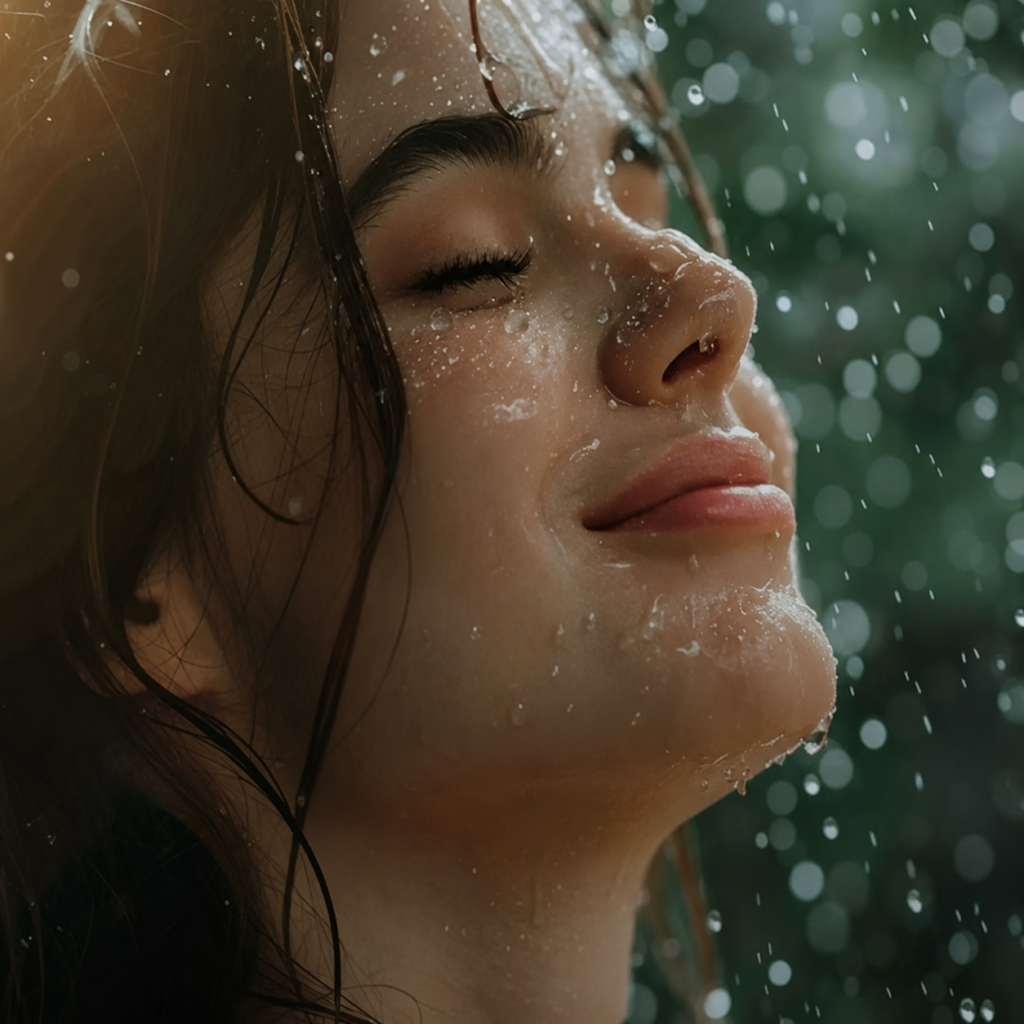
Rainwater may seem clean and natural, but it often contains dust, pollution, and environmental contaminants collected from the atmosphere.
Exposure to rainwater can make hair rough, dry, and difficult to manage.
Better Approach
If your hair gets wet in the rain, rinse it with clean water and allow it to dry properly to maintain scalp hygiene.
Myth 5: Acne During Monsoon Only Affects Oily Skin
What Actually Happens
Breakouts can occur in any skin type during monsoon. Increased humidity, sweat accumulation, bacteria, and clogged pores can trigger acne regardless of whether your skin is oily, dry, or combination.
Better Approach
Maintain a consistent skincare routine that focuses on cleansing, hydration, and sun protection.
Myth 6: More Hair Oil Means Better Hair Growth
What Actually Happens
Applying excessive amounts of oil does not necessarily improve hair growth. In humid weather, heavy oiling can attract dirt and contribute to scalp buildup.
While oiling can condition the hair, it is not a cure for every hair concern.
Better Approach
Use hair oil in moderation and follow a healthy hair care routine that includes proper cleansing and nourishment.
Myth 7: Dandruff Is Only a Winter Problem
What Actually Happens
Many people are surprised to notice dandruff worsening during monsoon. The combination of humidity, sweat, and fungal growth can make dandruff more noticeable during this season.
Better Approach
Maintain scalp hygiene, avoid keeping your hair wet for long periods, and seek professional advice if dandruff becomes persistent.
Myth 8: Natural Ingredients Are Always Safe
What Actually Happens
Homemade remedies are popular, but not every natural ingredient suits every skin type. Certain ingredients may cause irritation, redness, or sensitivity.
Better Approach
Always test new ingredients on a small area of skin before applying them widely.
Myth 9: Makeup Should Be Avoided Completely During Monsoon
What Actually Happens
Makeup itself is not harmful. Problems generally occur when products are too heavy for the weather or when makeup is not removed properly.
Better Approach
Choose lightweight products and ensure thorough cleansing at the end of the day.
Myth 10: Hair Fall During Monsoon Is Nothing to Worry About
What Actually Happens
Some seasonal hair shedding is common. However, significant hair fall may indicate underlying concerns such as scalp conditions, nutritional deficiencies, stress, or hormonal imbalances.
Better Approach
Pay attention to unusual or prolonged hair loss and seek professional guidance when necessary.
Practical Monsoon Beauty Tips
Keep Your Skin Fresh
Cleanse regularly to remove dirt, sweat, and excess oil without over-drying your skin.
Stay Hydrated
Drinking enough water supports overall skin health and helps maintain natural moisture levels.
Focus on Nutrition
A diet rich in vitamins, minerals, proteins, and antioxidants contributes to healthier skin and stronger hair.
Maintain Scalp Hygiene
Keeping the scalp clean and dry can help reduce the risk of dandruff and other scalp concerns.
Follow a Consistent Routine
Simple and consistent care is often more effective than constantly changing products or experimenting with new trends.
Conclusion
Monsoon can be challenging for both skin and hair, but many seasonal problems become worse when common beauty myths are mistaken for facts. Understanding how your skin and hair respond to humidity, rainwater, and changing weather conditions can help you make smarter choices.
Instead of relying on popular misconceptions, focus on proven skincare and haircare practices that support long-term health and beauty. A little extra care during the rainy season can go a long way in keeping your skin clear, your scalp healthy, and your hair manageable.
VLCC Beauty Clinic Wakad
For personalized skincare and haircare solutions, visit VLCC Beauty Clinic Wakad and receive expert guidance tailored to your unique concerns.
Address: Shop No. 1, Gyanbodh Heights, Kaspate Wasti, Wakad, Pimpri-Chinchwad, Maharashtra 411057
Phone: 093090 07299
Whether you’re dealing with acne, pigmentation, hair fall, dandruff, or other monsoon-related concerns, professional support can help you achieve healthier skin and hair throughout the season.
Recent Posts
-
 Why Investing in Yourself Is the One Thing Beauty Can Never Take Away
 -
 The Cosmetic Gamble: Why “Home Peels” Are a High-Stakes Risk to Your Skin’s Integrity
 -
 Is Laser Hair Reduction Really Permanent, or Is the Promise Bigger Than the Reality?
 -
 One Week Before the Wedding, Brides Make a Beauty Mistake They Often Regret Later.
 -
 Your Hair May Look Thin Even If You’re Using the “Best” Products. Here’s the Hidden Reason.