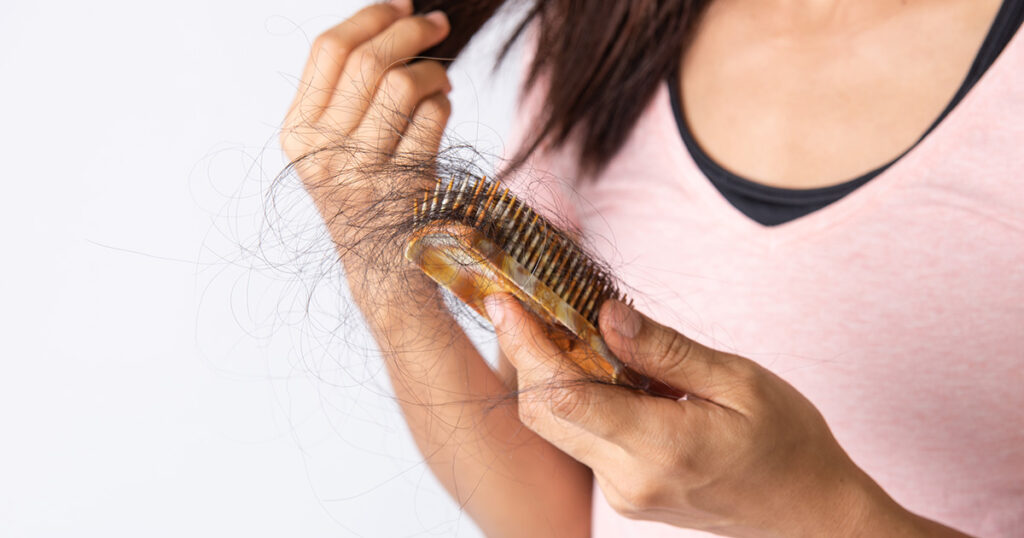
Hair loss is a common issue among women of all ages, often not only affecting appearance but also self-confidence and emotional stability. Although it’s normal to lose some hair daily, consistent or excessive hair fall may indicate an underlying issue that requires prompt attention. From hormonal imbalance to nutritional deficiencies, the reasons for women’s hair loss may be very diverse.
In this blog, we discuss the most prevalent causes of women’s hair fall, particularly in urban areas such as Pune, and provide dermatologist-recommended solutions to effectively deal with them.
1. Hormonal Imbalance
Overview:
Hormonal imbalance is a crucial reason behind hair fall in women. Diseases like PCOS (Polycystic Ovary Syndrome), thyroid problems (hypothyroidism or hyperthyroidism), and menopause may interfere with the natural hair growth cycle.
Signs:
Hair thinning on the scalp
Widening of hair part
Hair loss at the crown
Solution:
Arrange for a hormonal profile test to identify imbalances.
Medications may involve thyroid tablets, contraceptive pills, or hormone replacement therapy based on the condition.
Topical creams such as minoxidil can aid in triggering regrowth.
Nutritional supplementation and stress management are also important.
2. Nutritional Deficiencies
Overview:
Insufficient levels of key nutrients such as iron, zinc, vitamin D, biotin, and protein can lead to weaker hair roots and disrupt the natural hair growth cycle.
Signs:
Dull, lifeless hair
Increased hair breakage
Slow hair growth
Solution:
Include a balanced diet rich in leafy greens, nuts, seeds, lean meats, and dairy.
Take prescribed supplements if you’re diagnosed with a deficiency.
Regular blood tests can help monitor levels and prevent long-term damage.
3. Postpartum Hair Loss
Overview:
Numerous women undergo extensive hair loss 2–4 months postpartum. This is a result of hormonal changes as the body returns to pre-pregnancy levels.
Symptoms:
Rapid thinning of hair, particularly at the temples
Excessive shedding when combing or washing
Solution:
This is often temporary and clears up within 6–12 months.
Prioritize nutrition, hydration, and gentle hair care.
See a dermatologist for supplements or low-dose topical treatments if shedding is more than normal.
4. Stress and Lifestyle Factors
Summary:
Physical or emotional tension, insomnia, and unhealthy lifestyle factors may disturb the cycle of hair growth and initiate conditions such as telogen effluvium—a phase of temporary shedding.
Symptoms:
Overall reduction in hair density throughout the scalp
Heavy shedding following sickness, trauma, or emotional turmoil
Solution:
Incorporate stress management exercises through yoga, meditation, or counseling.
Make sure to have 7–8 hours of sleep and remain physically active.
Dermatologic treatments like PRP (Platelet-Rich Plasma) therapy can correct hair fall caused by stress.
5. Overstyling and Harsh Hair Products
Overview:
Traction alopecia and breakage are caused by frequent heat styling, tight hairstyles, and chemical treatments.
Signs:
Hairline recession
Broken hair or bald spots in some areas
Solution:
Change to mild, sulfate-free shampoos and do not wash too much.
Style with heat tools at low temperatures and steer clear of tight ponytails or braids.
Use scalp revitalizing treatments to restore damage.
6. Genetic Predisposition
Overview:
Female pattern hair loss (FPHL) or androgenetic alopecia is a genetically inherited condition that results in slow thinning, particularly at the crown and parting line.
Symptoms:
Slow expansion of central hair part
General thinning but not bald patches
Solution:
Starting treatment early is crucial—minoxidil is an FDA-approved solution for managing female pattern hair loss (FPHL).
Microneedling, PRP therapy, or low-level laser therapy (LLLT) may slow disease progression and stimulate regrowth.
Genetic hair loss can be treated well under the care of a dermatologist.
Dr. Nupur’s Take – Hair & Skin Expertise at VLCC Wakad, Pune
At VLCC Wakad, Pune, Pimpri-Chinchwad, Maharashtra 411057, Dr. Nupur, our top dermatologist and cosmetologist, is an expert in treating all forms of hair loss in women. With thorough knowledge of the hair patterns of women and the hormonal conditions that cause it, she provides customized, clinically proven solutions—PRP and mesotherapy to hair restoration plans that are backed by technology—all personalized to cater to your specific hair and scalp condition.
Conclusion
Female hair loss is more than a beauty issue—it’s an indication that your body and hair require attention. If it’s caused by hormonal imbalances, diet, postpartum, or heredity, early detection and professional treatment can mean the difference between recovering your healthy locks and losing them permanently.
At the forefront of advanced hair restoration is Dr. Nupur, our esteemed dermatology and cosmetology expert at VLCC Wakad, Pune, Pimpri-Chinchwad, Maharashtra 411057. With extensive experience in diagnosing and treating various types of female hair loss, Dr. Nupur combines scientific precision with a compassionate, personalized approach. From hormonal evaluations to cutting-edge therapies like PRP and mesotherapy, she ensures every woman receives the most effective and tailored treatment for long-term hair health and confidence restoration.
Recent Posts
-
 Why Investing in Yourself Is the One Thing Beauty Can Never Take Away
 -
 The Cosmetic Gamble: Why “Home Peels” Are a High-Stakes Risk to Your Skin’s Integrity
 -
 Is Laser Hair Reduction Really Permanent, or Is the Promise Bigger Than the Reality?
 -
 One Week Before the Wedding, Brides Make a Beauty Mistake They Often Regret Later.
 -
 Your Hair May Look Thin Even If You’re Using the “Best” Products. Here’s the Hidden Reason.