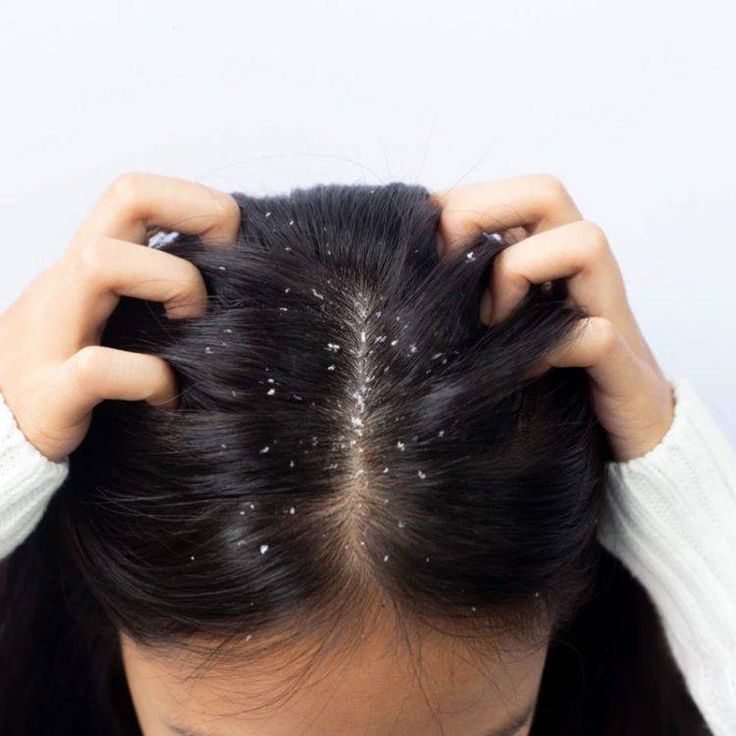
Dandruff vs Dry Scalp: Understanding the Difference This Monsoon
The monsoon season is a welcome break from the scorching summer heat. However, while the cool weather feels refreshing, the increased humidity can create several challenges for your hair and scalp. If you’ve noticed more flakes on your shoulders or an itchy scalp during the rainy season, you’re not alone.
One of the biggest misconceptions people have is assuming that all scalp flakes are dandruff. In reality, many people struggle with a dry scalp and mistake it for dandruff. Although both conditions can cause itching and flaking, they are quite different and require different treatments.
Let’s understand the difference between dandruff and dry scalp so you can give your scalp the care it truly needs this monsoon.
Why Does the Monsoon Affect Your Scalp?
Monsoon weather creates a unique environment for scalp problems. The combination of humidity, sweat, pollution, and frequent exposure to rainwater can disturb the natural balance of your scalp.
For some people, the scalp becomes oilier than usual, leading to dandruff. For others, repeated washing, indoor air conditioning, and unsuitable hair products can leave the scalp feeling dry and irritated.
Knowing what’s causing your flakes is the first step toward finding the right solution.
What Is Dandruff?
Dandruff is a common scalp condition that causes the skin on the scalp to shed more rapidly than normal. It is often associated with excess oil production and the growth of a naturally occurring fungus called Malassezia.
When this fungus grows excessively, it can irritate the scalp and trigger flaking.
Common Signs of Dandruff
Large and Visible Flakes
Dandruff flakes are usually larger and may appear white or slightly yellow.
Oily Scalp
People with dandruff often notice that their scalp feels greasy or oily.
Persistent Itching
The scalp may feel itchy throughout the day, especially during humid weather.
Flakes on Clothing
One of the most noticeable signs of dandruff is seeing flakes on dark-colored clothes.
What Is a Dry Scalp?
A dry scalp occurs when the skin on your scalp does not have enough moisture. Unlike dandruff, it is not caused by excess oil or fungal growth.
When your scalp becomes dehydrated, it can start flaking and feel uncomfortable.
Common Signs of a Dry Scalp
Small, Dry Flakes
The flakes are usually tiny, white, and powdery.
Tightness or Discomfort
Your scalp may feel stretched or tight, especially after washing your hair.
Mild Itching
The itching is generally less intense than dandruff-related itching.
Dry Skin in Other Areas
Many people with a dry scalp also experience dry skin on their face, hands, or body.
Dandruff vs Dry Scalp: How to Tell the Difference
At first glance, both conditions may look the same, but there are a few key differences.
Look at the Flakes
If the flakes are large, oily, and stick to your hair, it is more likely dandruff.
If they are small, dry, and fall off easily, you may be dealing with a dry scalp.
Check Your Scalp
An oily scalp usually points toward dandruff.
A tight, rough, or sensitive scalp is more commonly associated with dryness.
Notice the Itching
Dandruff often causes stronger and more persistent itching due to irritation and inflammation.
Dry scalp itching is generally mild and tends to improve when moisture is restored.
Why Dandruff Gets Worse During Monsoon
The humid environment during the rainy season creates ideal conditions for fungal growth. Sweat, oil, and dirt can accumulate on the scalp more easily, making dandruff flare-ups more common.
People who frequently get caught in the rain or leave their hair damp for long periods may notice an increase in dandruff symptoms.
Why Dry Scalp Can Also Occur During Monsoon
Surprisingly, a dry scalp is also common during the monsoon season.
Many people wash their hair more frequently to deal with sweat and humidity. Using harsh shampoos or washing with hot water can strip away natural oils, leaving the scalp dry and irritated.
Spending long hours in air-conditioned environments can also reduce moisture levels in the skin and scalp.
Tips to Manage Dandruff During Monsoon
Keep Your Scalp Clean
Regular cleansing helps remove excess oil, sweat, and product buildup that can contribute to dandruff.
Use the Right Shampoo
Anti-dandruff shampoos with dermatologist-recommended ingredients can help control flakes and reduce itching.
Avoid Leaving Your Hair Wet
A damp scalp creates an environment where fungal growth can thrive. Always dry your hair properly after washing or getting caught in the rain.
Eat a Healthy Diet
Foods rich in vitamins, minerals, and healthy fats support a healthier scalp from within.
Tips to Soothe a Dry Scalp
Choose Gentle Hair Care Products
Use shampoos and conditioners that are designed to hydrate and nourish the scalp.
Stay Hydrated
Drinking enough water throughout the day helps maintain healthy skin and scalp moisture.
Avoid Excessive Heat
Hot water and frequent heat styling can worsen scalp dryness.
Nourish Your Scalp
Natural oils such as coconut oil can help restore moisture and reduce discomfort.
When Should You Seek Professional Help?
If your scalp remains itchy, flaky, or irritated despite following a proper hair care routine, it may be time to consult a specialist.
Persistent dandruff, excessive hair fall, redness, or recurring scalp issues can indicate an underlying condition that requires professional evaluation and treatment.
A hair and scalp expert can identify the root cause of the problem and recommend personalized solutions that deliver lasting results.
Conclusion
Flakes on your scalp do not always mean dandruff. While dandruff is usually linked to excess oil and fungal growth, a dry scalp is caused by a lack of moisture. Knowing the difference can help you make informed choices instead of relying on guesswork.
This monsoon, pay attention to your scalp’s needs, maintain a healthy hair care routine, and seek expert guidance if symptoms persist A healthy scalp is the key to strong, beautiful hair throughout the year.
VLCC Beauty Clinic Wakad
For professional scalp and hair care solutions, visit VLCC Beauty Clinic Wakad.
Address: Shop No. 1, Gyanbodh Heights, Kaspate Wasti, Wakad, Pimpri-Chinchwad, Maharashtra 411057
Phone: 093090 07299
Book your consultation today and give your hair and scalp the expert care they deserve.
Recent Posts
-
 Why Does Your Face Look Tired Even When You’re Getting Enough Sleep?
 -
 Why Investing in Yourself Is the One Thing Beauty Can Never Take Away
 -
 The Cosmetic Gamble: Why “Home Peels” Are a High-Stakes Risk to Your Skin’s Integrity
 -
 Is Laser Hair Reduction Really Permanent, or Is the Promise Bigger Than the Reality?
 -
 One Week Before the Wedding, Brides Make a Beauty Mistake They Often Regret Later.